


Why Time and Attendance Systems Are No Longer a "Nice to Have" for UK Businesses

Let's be honest — managing employee attendance manually is a headache most business owners know far too well. The paper timesheets, the guesswork, the awkward conversations about whether someone clocked in at 8:55 or 9:10. It's time-consuming, error-prone, and frankly, a bit outdated when better solutions are so accessible. That's exactly why more and more UK businesses are making the switch to modern time and attendance systems.
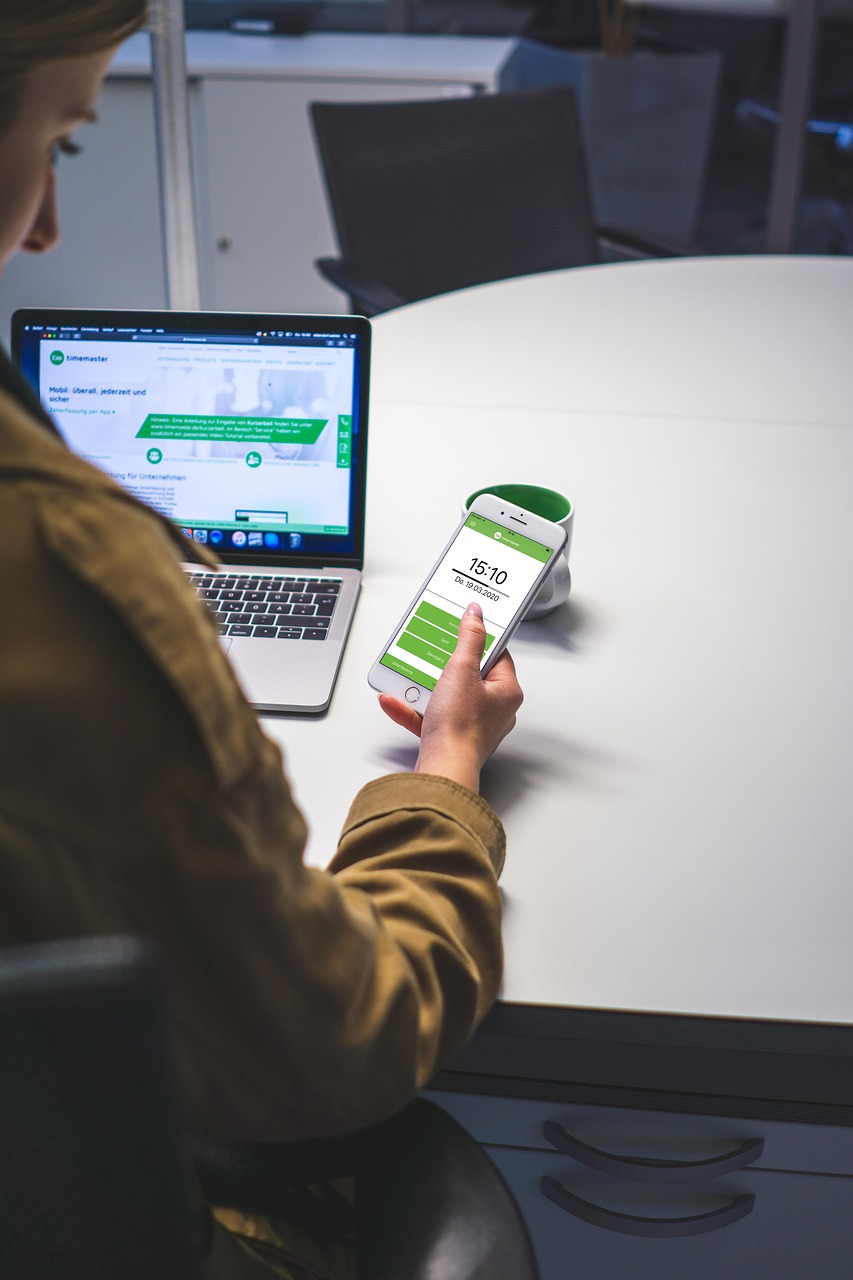
Whether you run a construction firm in Yorkshire, a logistics operation across multiple sites, or a busy retail outlet, the way you track employee time has a direct impact on your costs, compliance, and overall efficiency. So let's walk through what these systems actually do, why they matter, and what to look for when choosing one.
What Is a Time and Attendance System, Really?
At its core, a time and attendance system is a digital solution that helps businesses accurately track employee working hours, shifts, and attendance. Employees clock in and out using devices such as mobile apps, computers, or dedicated terminals — meaning you always know who's on site, who's running late, and who's called in absent.
Gone are the days of relying on paper sign-in sheets or the "honour system." Modern systems capture data automatically, store it securely in the cloud, and feed it directly into your payroll — cutting out layers of admin and reducing the risk of costly errors.
The Real Cost of Getting It Wrong
It might not seem like a big deal if a few timesheets aren't filled in correctly, but those small discrepancies add up. Overpaying for hours not worked, underpaying staff and risking disputes, failing to identify persistent lateness — these aren't just administrative frustrations, they're real financial and legal risks.
When you compare manual tracking to an automated system side by side, the difference is striking. Manual processes are susceptible to human error, rely on historical data, and leave audit trails that are far too easy to lose or alter.
Automated systems, on the other hand, offer near-perfect digital accuracy, real-time updates, encrypted cloud storage, and automatic compliance logging. It's genuinely not a fair contest.
How It All Works in Practice
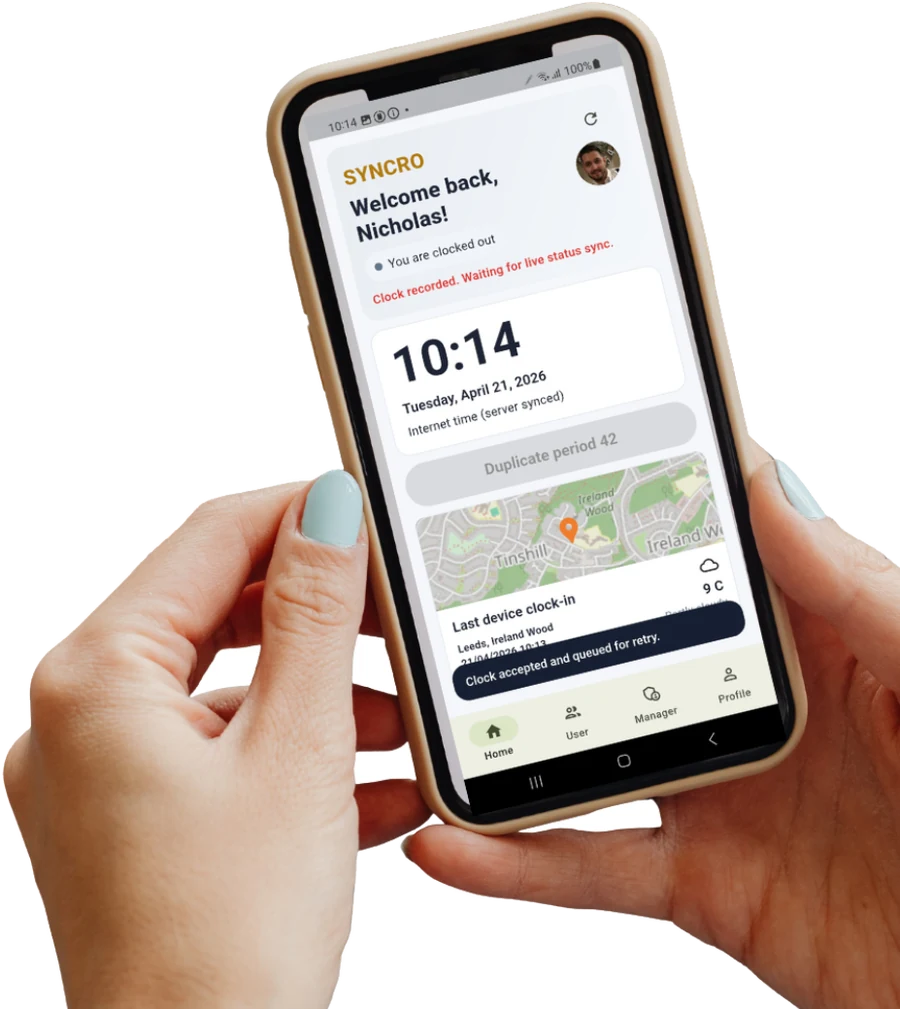
One of the things people often worry about is complexity — will this be a nightmare to set up and use? With the right provider, the answer is no. A well-implemented time and attendance system walks you through a clear process: employees clock in using biometric devices, RFID cards, a GPS-enabled mobile app, or desktop software. That data is captured instantly and stored in the cloud. Managers can review and approve timesheets with just a few clicks.

Payroll gets the approved hours automatically. Reports on overtime, absence trends, lateness, and workforce patterns are generated without anyone having to build a single spreadsheet.
That last part is worth emphasising. Powerful reporting tools — including Bradford Factor analysis, lateness reports, and timesheet insights — give managers a real picture of what's happening across their workforce, whether they're in the office or on the move.
Biometric and Flexible Clocking Options
Not every workforce operates the same way, and a good system should reflect that. For office-based teams, desktop clocking works brilliantly. For remote workers or people on the go, a GPS-enabled mobile app means you can still capture accurate time data regardless of location. For environments where security matters most — manufacturing floors, healthcare settings, logistics hubs — biometric devices like fingerprint readers and facial recognition clocks offer a level of accuracy and accountability that cards and PINs simply can't match.
This flexibility is important. The best systems aren't rigid; they adapt to how your business actually operates.
Payroll Integration: The Feature That Saves Hours Every Month
Ask any HR or finance manager what they'd most like to change about their payroll process, and "less manual data entry" will be near the top of every list. One of the biggest wins from a modern time and attendance system is seamless payroll integration. Leading providers integrate directly with software like Sage, and export approved hours ready for platforms like QuickBooks and Pegasus — meaning the data flows automatically, without anyone re-keying it. Fewer errors, faster processing, and a lot less frustration come end-of-month.
Choosing the Right Provider
When it comes to something as operationally important as workforce time tracking, the relationship with your provider matters as much as the technology itself. Look for a company that offers a dedicated project manager, professional installation, proper training, and UK-based ongoing support. A system that's poorly set up or left unsupported quickly becomes more trouble than it's worth.
Computime, for example, has been supporting UK businesses with time and attendance solutions for over 30 years, working with more than 800 organisations across sectors from construction to healthcare. That kind of track record — and the reassurance of speaking to a real person in Leeds rather than an overseas call centre — counts for a lot.
The Bottom Line
If your business is still relying on manual clocking methods, you're spending more time, money, and energy than you need to. A modern time and attendance system pays for itself quickly — through payroll accuracy, reduced admin, better compliance, and the kind of workforce insight that helps you make smarter decisions. The technology is accessible, affordable, and easier to implement than most people expect.


Comments