


Time and Attendance Software: Why Every Growing Business Needs

Picture this: it's Friday morning, payroll is due in a few hours, and your HR manager is manually cross-checking timesheets against a spreadsheet. Two employees have unapproved overtime, one clocked in from a location that doesn't match their shift, and someone swears they started at 7am even though the log says 9. Sound familiar? If you're still relying on paper registers, punch cards, or basic spreadsheets to track when your people show up and leave, you already know how quickly small errors turn into big headaches.
What Exactly Is Time and Attendance Software?
At its core, time and attendance software is a digital system that records when employees clock in, take breaks, and clock out all in one centralised place. But modern platforms do far more than that. They manage shift scheduling, calculate overtime automatically, track leave and absences, flag compliance issues, and feed accurate hours straight into your payroll system. Instead of a manager chasing down missing timesheets, the software does the chasing for you.

Think of it as the difference between guessing how much fuel is left in your car versus having a real-time gauge on the dashboard. One is a rough estimate prone to costly mistakes; the other gives you an accurate, live picture you can actually trust.
Why the Sudden Demand?
If it feels like every business, from small retailers to large manufacturing firms, is suddenly talking about upgrading their attendance systems, that's not a coincidence. A few forces are driving this shift.
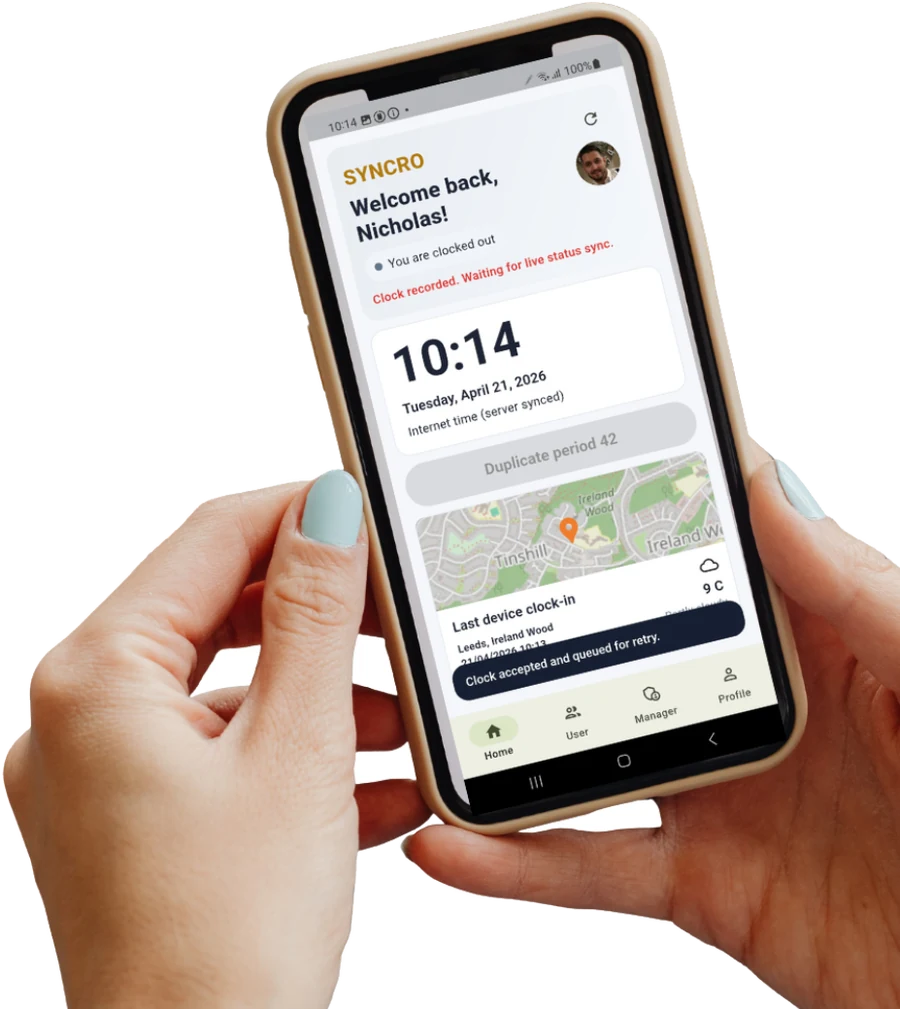
First, hybrid and remote work have made the old punch-clock model obsolete. When your team isn't all sitting in the same building, you need software that can verify hours worked remotely through mobile check-ins, GPS tagging, or web-based clock-ins not a physical time clock bolted to a wall.
Second, compliance pressure has grown. Labour laws around working time, breaks, and overtime are being enforced more strictly, and regulators expect businesses to have accurate, auditable records. Getting this wrong isn't just an admin inconvenience; it can mean real financial penalties.
Third, the sheer cost of manual tracking has become impossible to ignore. Analysts have noted that a large share of employees still lack structured time management systems, which drags down daily productivity significantly. That inefficiency shows up everywhere in payroll disputes, in wasted management hours, and in the quiet erosion of trust when a paycheck comes up short because of a rounding error.
It's no surprise, then, that the global time and attendance software market was valued in the billions in 2025 and is projected to keep growing steadily through the next decade, fuelled by cloud adoption, labour law compliance, and the rise of hybrid work.
What Good Software Actually Looks Like
Not all time and attendance tools are created equal, and it's worth knowing what separates a genuinely useful system from a glorified digital punch card.
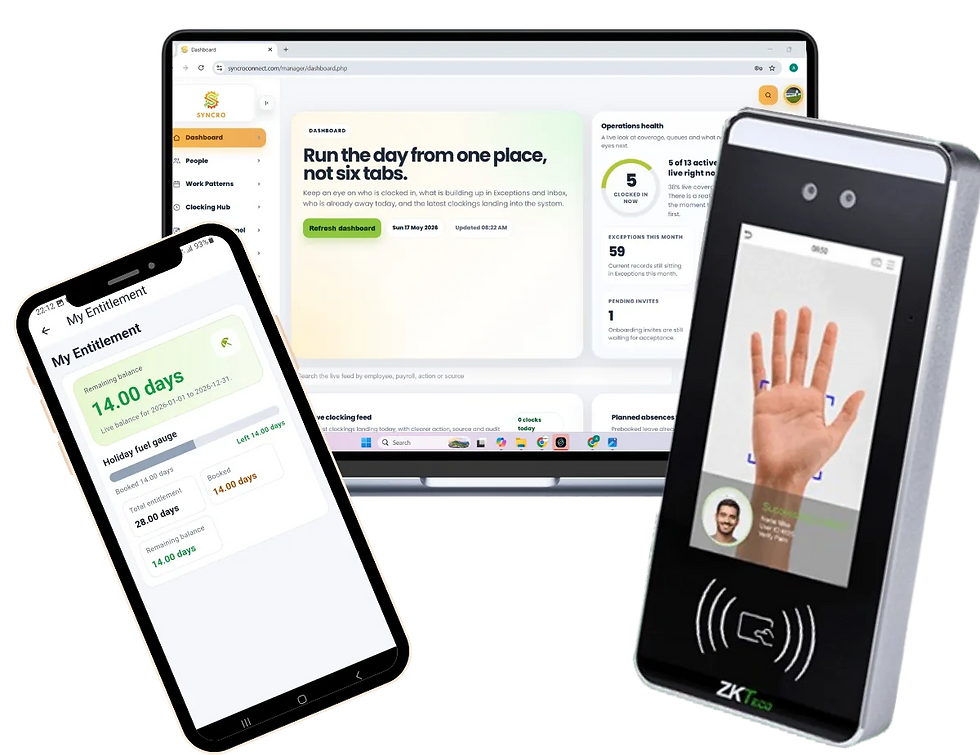
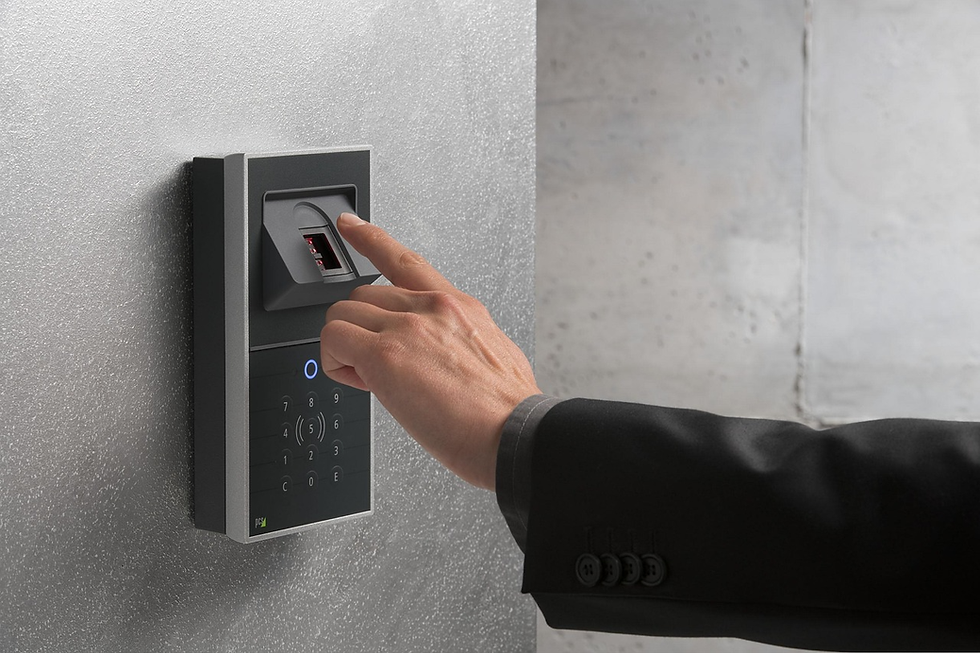
Accurate, flexible clock-in options. Whether it's biometric fingerprint scanning, facial recognition, mobile apps, or simple PIN-based terminals, the right method should match how your workforce actually operates a warehouse team has very different needs from a distributed remote workforce.
Real-time visibility. Managers shouldn't need to wait until the end of the week to know who's working, who's late, or who's approaching overtime thresholds. Live dashboards give that visibility instantly.
Seamless payroll integration. The moment hours are logged, they should flow directly into your payroll process. This single feature alone eliminates one of the most common sources of pay disputes: hours that were tracked correctly but transcribed incorrectly.
Compliance built in. Good systems translate labour regulations break requirements, overtime rules, minor labour restrictions into automated workflows, so you're not relying on a manager remembering every legal nuance.
Scalability. Whether you have 15 employees or 1,500, the system should grow with you, handling multiple sites, shift patterns, and departments without turning into a management burden.
Industry analysts also point to AI-assisted exception management as a growing trend, where systems automatically flag likely timecard errors like missed punches or unusual overtime and suggest fixes before payroll closes. That means fewer fire drills on payroll day and far less manual detective work.
The Real Business Case
It's tempting to think of time and attendance system as "just" an HR tool, but the returns touch nearly every part of a business. Accurate time data means payroll is processed correctly the first time, which builds employee trust. Automated scheduling reduces the administrative load on managers, freeing them to focus on actual leadership rather than chasing timesheets. And solid compliance records protect the business if labour disputes or audits ever arise.
There's also a cultural benefit that's easy to overlook: when employees can see their own hours, request leave transparently, and trust that their pay reflects the time they actually worked, it removes a quiet source of workplace friction. People notice when a system is fair and consistent and they notice even more when it isn't.
Getting Started
If you're evaluating options, start by mapping out how your workforce actually works on-site, remote, hybrid, shift-based, or a mix before comparing platforms. The best system isn't necessarily the one with the most features; it's the one that fits how your people actually clock in and get their work done. For UK businesses specifically, providers like Computime offer dedicated time and attendance systems worth exploring as a starting point for comparison.
At the end of the day, time and attendance software isn't about surveillance or micromanagement. It's about removing the guesswork, the disputes, and the wasted hours that come from tracking time the old-fashioned way so everyone, from the front desk to the finance team, can trust the numbers on the page.

Comments